Coffee Shop Marketing Ideas That Actually Work (2026)
Skip the generic advice. 15 coffee shop marketing ideas ranked by effort, impact, and cost — from free Google tricks to loyalty programs that pay for themselves
Key Takeaway: The most effective coffee shop marketing doesn't require a big budget — it requires consistency. A complete Google Business Profile, active Instagram presence, and simple loyalty program will outperform expensive ad campaigns. Start with the free wins, then add low-cost strategies as you grow.
FaveCard Team
Published February 16, 2026 · Updated February 24, 2026
Last updated: February 2026
Coffee shop marketing covers any strategy that helps independent coffee shops attract new customers and keep regulars coming back. The most effective tactics for small coffee shops focus on local search visibility, social media presence, and customer retention programs — most of which cost nothing.
Key Takeaway: You don’t need a marketing degree or ad budget. The coffee shops winning in 2026 nail three things: showing up when someone searches “coffee near me,” looking great on Instagram, and giving regulars a reason to keep choosing them over the competition.
What’s Inside
- Quick Reference: All 15 Ideas
- Phase 1: Free & Easy Wins (#1-5) — Google, Instagram, Signage, Reviews, Loyalty
- Phase 2: Low-Cost Growth (#6-10) — Partnerships, Seasonal, Email, Referrals, Slow Days
- Phase 3: Standing Out (#11-15) — Events, Subscriptions, Influencers, TikTok, Newsletter
- Not Sure Where to Start? — Budget-based decision guide
- Quick Wins Checklist
- FAQ
Quick Reference: All 15 Ideas at a Glance
| # | Idea | Effort | Impact | Cost |
|---|---|---|---|---|
| 1 | Google Business Profile | Low | High | Free |
| 2 | Instagram that drives visits | Low | Medium-High | Free |
| 3 | Sidewalk sign & window game | Low | Medium | $20-50 one-time |
| 4 | Review collection system | Low | High | Free |
| 5 | Loyalty program | Low | High | $0-20/mo |
| 6 | Local partnerships | Medium | High | Free |
| 7 | Seasonal menu launches | Medium | Medium | $10-30 |
| 8 | WiFi email capture | Medium | Medium-High | $0-15/mo |
| 9 | Referral program | Low | Medium-High | $0-5/referral |
| 10 | Slow-day promotions | Low | Medium | Free |
| 11 | Community events | High | High | $50-200/event |
| 12 | Coffee subscription / bundles | Medium | Medium | Free |
| 13 | Local micro-influencer collabs | Medium | Medium | $0-50 |
| 14 | TikTok / Reels content | Medium | Medium | Free |
| 15 | Email newsletter | Medium | Medium-High | $0-19/mo |
Why Most Coffee Shop Marketing Advice Doesn’t Work
You opened a coffee shop to make great coffee, not to run Facebook ad campaigns.
Here’s the problem: most coffee shop marketing guides are written by software companies selling their own tools. They recommend CDP platforms, AI-powered analytics, and marketing automation suites. A two-person coffee shop doesn’t need any of that.
What actually moves the needle for independent shops is simpler than the vendor blogs want you to believe:
- Be findable — show up when someone searches “coffee near me”
- Look good — your Instagram should make people want to visit
- Keep regulars — a customer spending $4/day is worth $1,460/year. Keeping them matters more than any ad
The 15 ideas below are ranked by effort vs. impact. Start at the top and work down.
Phase 1: Free & Easy Wins
These cost nothing (or close to it) and deliver the biggest returns. Do all five before moving on.
1. Get Your Google Business Profile Right
Effort: Low | Impact: High | Cost: Free
According to Google, 46% of all searches have local intent. That means nearly half the time someone types something into Google, they’re looking for something nearby. “Coffee near me” is one of the most common local searches — and your Google Business Profile determines whether you show up or the shop down the street does.
- Claim and verify your profile at business.google.com
- Add real photos of your shop, drinks, and team (not stock images)
- List your full menu, hours, and WiFi availability
- Post weekly updates — new beans, seasonal drinks, events
Pro tip: Post a Google update every week. It signals to Google that your business is active, which helps your ranking. A 30-second post about your new seasonal latte counts.
2. Instagram That Actually Drives Visits
Effort: Low | Impact: Medium-High | Cost: Free
Coffee is one of the most visual products on Instagram. Latte art, cozy corners, pour-over setups — this content practically makes itself.
- Post 3-4 times per week with location tags on every post
- Use Stories for daily specials, new arrivals, behind-the-scenes
- Repost customer photos (free content + social proof)
- Add your address and hours in your bio
Pro tip: User-generated content is your best friend. When a customer tags your shop, repost it. They feel special, their followers see your shop, and you didn’t have to create anything.
3. Sidewalk Sign & Window Game
Effort: Low | Impact: Medium | Cost: $20-50 one-time
A-frame sidewalk signs with clever messages drive foot traffic. “Free WiFi, pretend you’re working” gets more people through the door than a perfectly targeted Facebook ad.
- Get a chalkboard A-frame sign ($20-40 on Amazon)
- Change the message 2-3 times per week
- Update window displays for seasons and promotions
- Feature your daily special or new drink prominently
Pro tip: Regulars notice when you change the sign — it becomes part of the experience. A funny or relatable message gets photographed and shared on social media for free.
4. Review Collection System
Effort: Low | Impact: High | Cost: Free
According to BrightLocal’s 2026 survey, 75% of consumers “always” or “regularly” read online reviews when browsing for local businesses. More reviews and higher ratings directly impact how many new customers walk through your door.
- Create a short Google review link (search “Google review link generator”)
- Print QR codes on receipts, table cards, or near the register
- Ask happy customers directly: “Enjoying your coffee? We’d love a Google review”
- Respond to every single review — positive and negative
Pro tip: Respond to every review, especially negative ones. A thoughtful response to a complaint often impresses potential customers more than a five-star review. Google also rewards businesses that actively engage with reviews.
5. “Regulars” Loyalty Program
Effort: Low | Impact: High | Cost: $0-20/month
This is the single highest-ROI marketing tool for coffee shops. Period.
A regular who visits daily and spends $4-5 is worth $1,000-1,800 per year. Keeping that person is worth more than finding 10 new occasional visitors. According to Paytronix, loyalty program members spend 38% more per visit than non-members. A loyalty program gives them a tangible reason to keep choosing you.
- Set up a digital loyalty card (paper cards get lost — 39% of customers abandon paper programs because they misplace their card)
- Sweet spot: 8 stamps for a free coffee — completable in about 2 weeks for daily visitors
- Add bonus stamps for referrals or trying a new drink
- Send push notification reminders when they’re close to a reward
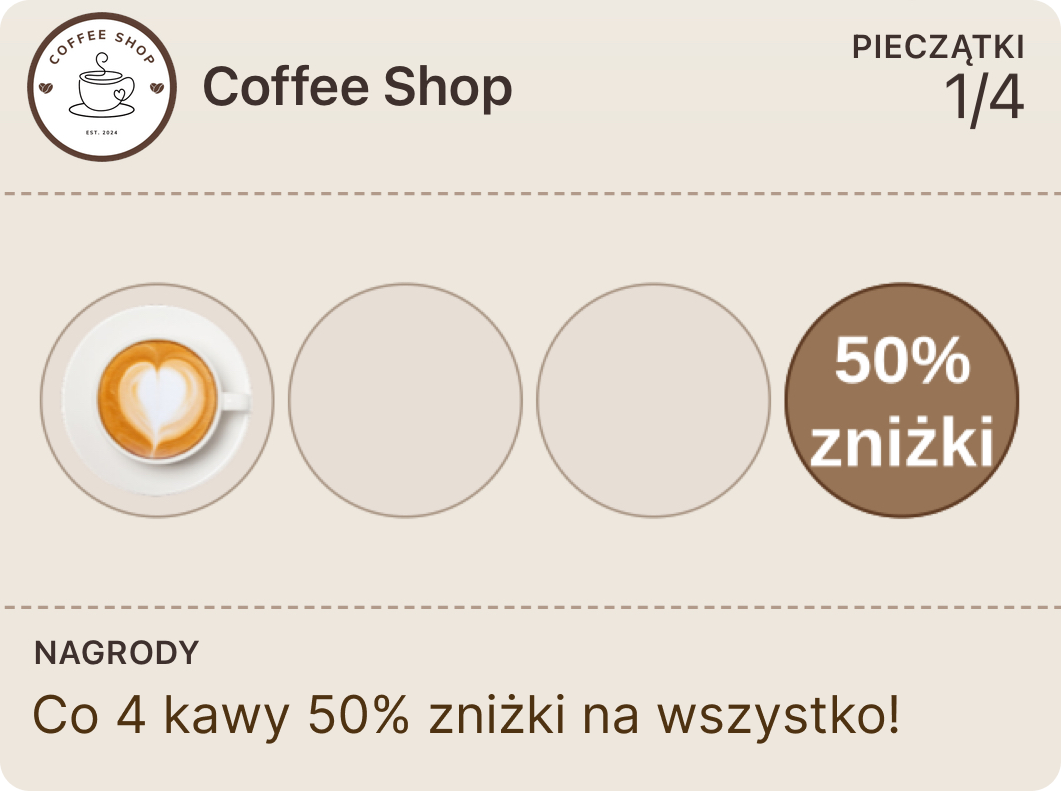
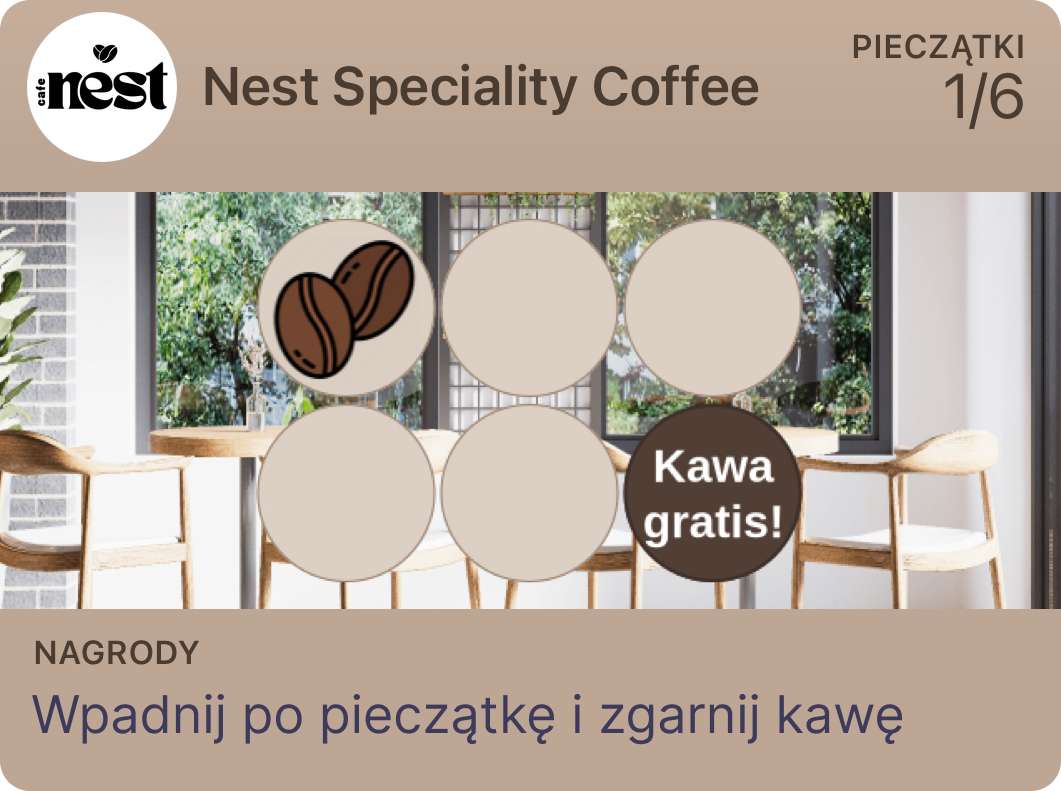
Pro tip: Digital beats paper in 2026. Customers can’t forget their phone at home, and you get data on visit patterns. For a deep dive on setting up your first card, see our coffee shop loyalty programme guide. If you want to compare your options, check out our coffee shop loyalty program breakdown.
Phase 2: Low-Cost Growth
Once you’ve nailed the basics, these ideas help you grow without a big budget.
6. Local Partnerships
Effort: Medium | Impact: High | Cost: Free
Partner with businesses that complement yours. A bakery without coffee? Perfect match — you serve their pastries, they recommend your coffee. A bookstore? Set up a reading corner with a coffee menu. A coworking space? Offer a bulk coffee deal.
- Cross-promote: their flyer at your counter, your card at theirs
- Consider joint events or combo deals
- Focus on businesses that share your customer base but don’t compete
Pro tip: Start with one partner. A bakery that doesn’t serve coffee is the most natural fit — you help each other without any awkwardness.
7. Seasonal Menu Launches
Effort: Medium | Impact: Medium | Cost: $10-30
Seasonal drinks create urgency. Pumpkin spice isn’t a meme — it’s an $800 million industry according to NielsenIQ. Limited-time offerings give people a reason to visit now instead of “sometime.”
- Launch something new each season (spring, summer, fall, holiday)
- Tease the new drink on Instagram and TikTok before launch day
- Create a visible in-store display for the seasonal menu
- Remove it when the season ends — scarcity drives demand
Pro tip: Let your regulars taste-test before the official launch. They feel like insiders, you get honest feedback, and they’ll tell their friends about it.
8. WiFi Email Capture
Effort: Medium | Impact: Medium-High | Cost: $0-15/month
Your customers already sit there using WiFi for an hour. Require an email address to connect, and you’ve just built a marketing list passively. No signup forms, no awkward asks at the counter.
- Use a WiFi landing page tool (several free options exist)
- Collect email in exchange for free WiFi access
- Send one email per week max — weekly specials, new beans, events
- Include a “we miss you” email for customers who haven’t visited in 2+ weeks
Pro tip: One email per week, max. Make it worth opening — a personal note about new beans or a behind-the-scenes story beats a promotional blast every time.
9. Referral Program
Effort: Low | Impact: Medium-High | Cost: $0-5/referral
“Bring a friend, both get a free pastry.” Simple, social, and effective. Coffee is already a social activity — people naturally bring friends to their favorite shop.
- Reward BOTH the referrer and the friend (one-sided feels transactional)
- Keep the reward simple: free pastry, extra stamp, free size upgrade
- Track referrals through your loyalty program or a simple code system
Pro tip: Give the reward to both people. When only the referrer gets something, it feels like they’re profiting off their friend. When both benefit, it feels like sharing a good thing. For more referral card ideas, see our punch card ideas guide.
10. Slow-Day Promotions
Effort: Low | Impact: Medium | Cost: Free
Every coffee shop has a dead period. Usually Tuesday or Wednesday afternoon. Instead of accepting empty tables, create a reason for people to come.
- Double loyalty stamps on your slowest day
- Happy hour pricing from 2-4pm
- “Buy one, get one half off” during dead hours
- Pick ONE day and be consistent — it needs to become a habit
Pro tip: “Double Stamp Tuesday” is better than rotating promotions. Consistency turns a slow day into a recurring event. Regulars will start planning their visits around it. Check out more slow-day punch card strategies for inspiration.
Going further: What if you could tell your regulars about Double Stamp Tuesday before they show up? With a digital loyalty card in Apple/Google Wallet, you can send a message straight to every card holder’s phone: “Double stamps today only!” It pops up on their lock screen — no phone number needed, no email, no app. One message reaches all your card holders at once.
Think of it as an “activate customers” button for slow days. It works because your regulars already have the card on their phone — you’re not asking them to download anything or check their inbox. The message lands right on their screen, like a text from a friend.
FaveCard Pro includes this. Send a message, pick who receives it (all customers, regulars only, or people who haven’t visited lately), and hit send. Better than SMS because it’s free with Pro and you don’t need their phone number.
Phase 3: Standing Out
These ideas require more effort but help differentiate your shop from the competition.
11. Community Events
Effort: High | Impact: High | Cost: $50-200/event
Open mic nights, coffee cupping classes, local artist exhibitions, book clubs. Events turn your shop from “a place to buy coffee” into “a community hub” — and that’s a moat no chain can copy.
- Start with one event per month — an open mic costs almost nothing to organize
- Partner with local musicians, artists, or book clubs
- Promote on Instagram and local community boards
- Take photos and videos for social media content
Pro tip: Community events create content and word-of-mouth simultaneously. One open mic night generates a week’s worth of Instagram posts and brings in people who’ve never heard of your shop.
12. Coffee Subscription / Prepaid Bundles
Effort: Medium | Impact: Medium | Cost: Free to set up
Prepaid bundles lock in revenue and commitment. “20 coffees for $60” (normally $80) means the customer has already paid — so they will come back. You get cash upfront, they get a discount. Everyone wins.
- Offer in-store prepaid punch bundles (20 coffees at a discount)
- Consider a monthly bean subscription for home brewers
- Price bundles at 20-25% off — enough to feel like a deal, not enough to hurt margins
Pro tip: Subscriptions smooth out your cash flow and create psychological commitment. Once someone has paid for 20 coffees, they won’t “try somewhere new” until they’ve used them all.
13. Local Micro-Influencer Collabs
Effort: Medium | Impact: Medium | Cost: $0-50
Find local food bloggers and lifestyle creators with 1,000-10,000 followers. Offer free drinks and a nice spot to photograph. Micro-influencers achieve roughly 3x the engagement rate of mega-influencers on Instagram, and their followers are often local.
- Search Instagram location tags for people already posting about your area’s food scene
- Offer a free tasting experience (not cash — it’s more authentic)
- Let them create content their way — don’t script it
- Repost their content on your own account
Pro tip: Don’t chase follower count. A local food blogger with 2,000 engaged followers in your city is worth more than a national influencer with 100,000 followers spread across the country.
14. TikTok / Reels — Behind-the-Scenes Content
Effort: Medium | Impact: Medium | Cost: Free
Behind-the-scenes content performs incredibly well on short-form video. Latte art process, morning prep routine, the sound of an espresso machine, “day in the life of a barista” — coffee content is made for TikTok and Instagram Reels.
- Film with your phone — production quality doesn’t matter, authenticity does
- Show the process: grinding beans, steaming milk, pouring latte art
- Jump on trending audio when it fits naturally
- Post 2-3 times per week
Pro tip: Your morning prep routine is content gold. Setting up the shop at 5am, first espresso of the day, arranging pastries — people love seeing the behind-the-scenes of a real coffee shop.
15. Email Newsletter
Effort: Medium | Impact: Medium-High | Cost: $0-19/month
A weekly email to your customer list keeps you top of mind between visits. New beans, seasonal specials, upcoming events, one personal story. According to Litmus, email marketing returns an average of $36 for every $1 spent — the highest ROI of any digital marketing channel.
- Use a free tool (Mailchimp, Resend, or Loops free tiers)
- Send once per week, same day — Tuesday or Wednesday works well
- Write it like you’re texting a regular: “Hey, we just got these Ethiopian beans and they’re insane”
- Include one clear CTA per email (visit this week for X, try the new Y)
Pro tip: The tone matters more than the design. A plain-text email that sounds like a real person will outperform a beautiful HTML template that reads like corporate marketing. For more on email strategy, see our coffee shop loyalty programme guide — it covers email integration with loyalty.
Not Sure Where to Start?
Pick your budget and start there:
Budget: $0/month
Focus on ideas #1-4. Complete your Google Business Profile, get Instagram right, put up a sidewalk sign, and start collecting reviews. These four alone can transform foot traffic within a month.
Budget: $20-50/month
Add ideas #5, #9, and #10. A digital loyalty program is the highest-ROI investment you can make. Combine it with a referral program and slow-day promotions to build a retention engine.
Budget: $100+/month
Layer in ideas #8, #11, and #15. WiFi email capture builds your list passively, community events create word-of-mouth, and a newsletter keeps everyone coming back. This is where you start building a real brand.
”My biggest problem is…”
| Problem | Start With |
|---|---|
| ”Nobody knows we exist” | #1 Google Business Profile + #2 Instagram |
| ”People come once and don’t return” | #5 Loyalty program + #10 Slow-day promos |
| ”Weekday afternoons are dead” | #10 Double stamp days + #6 Coworking partnership |
| ”I’m losing regulars to the new place” | #5 Loyalty program + #7 Seasonal menu |
| ”I don’t know what’s working” | #8 WiFi email capture + review your Google Business insights |
Quick Wins Checklist
This week:
- Claim and complete your Google Business Profile
- Post 3 photos on Instagram with location tags
- Order or set up a sidewalk chalkboard sign
- Print QR code cards linking to your Google review page
Next week:
- Set up a digital loyalty card (8 stamps → free coffee)
- Ask 5 happy customers for Google reviews
- Reach out to one local bakery or bookstore about a partnership
First month:
- Launch a slow-day promotion (Double Stamp Tuesday)
- Start a simple referral program
- Post your first Instagram Reel (behind-the-scenes morning prep)
- Decide: paper or digital loyalty cards?
Looking for more coffee shop marketing strategies? Check out our complete Coffee Shop Loyalty Guide — industry stats, features, FAQs, and everything you need to launch your program.
The Bottom Line
Coffee shop marketing doesn’t need to be complicated or expensive. The shops that win aren’t the ones with the biggest ad budgets — they’re the ones that consistently show up on Google, look great on Instagram, and make regulars feel valued.
Start with the free stuff. Nail your Google profile and Instagram. Set up a loyalty program. That foundation alone puts you ahead of most independent coffee shops.
Then layer in the growth strategies — partnerships, seasonal launches, email — as you have time and budget.
The hardest part isn’t knowing what to do. It’s being consistent enough to let it work.
Related guides:
- Coffee Shop Loyalty Programme: Setup Guide for Cafe Owners
- Coffee Shop Loyalty Program: How to Set One Up
- Punch Card Ideas: 15 Structures That Work
- How to Get Repeat Customers: 7 Proven Strategies
- Barber Marketing Ideas: 15 Ways to Get More Clients
Ready to Start Your Coffee Shop Marketing?
The highest-ROI idea on this list is a loyalty program (#5). FaveCard lets you set one up in 5 minutes:
- Apple/Google Wallet — customers add your card with one tap, no app to download
- Push notifications — “1 stamp until your free coffee!” brings them back
- Customer insights — see who’s a daily regular, who’s drifting, who needs a nudge
- Any language — English, Spanish, Polish — your card speaks your customers’ language
- Works globally — whether you’re in Brooklyn, Berlin, or Bali
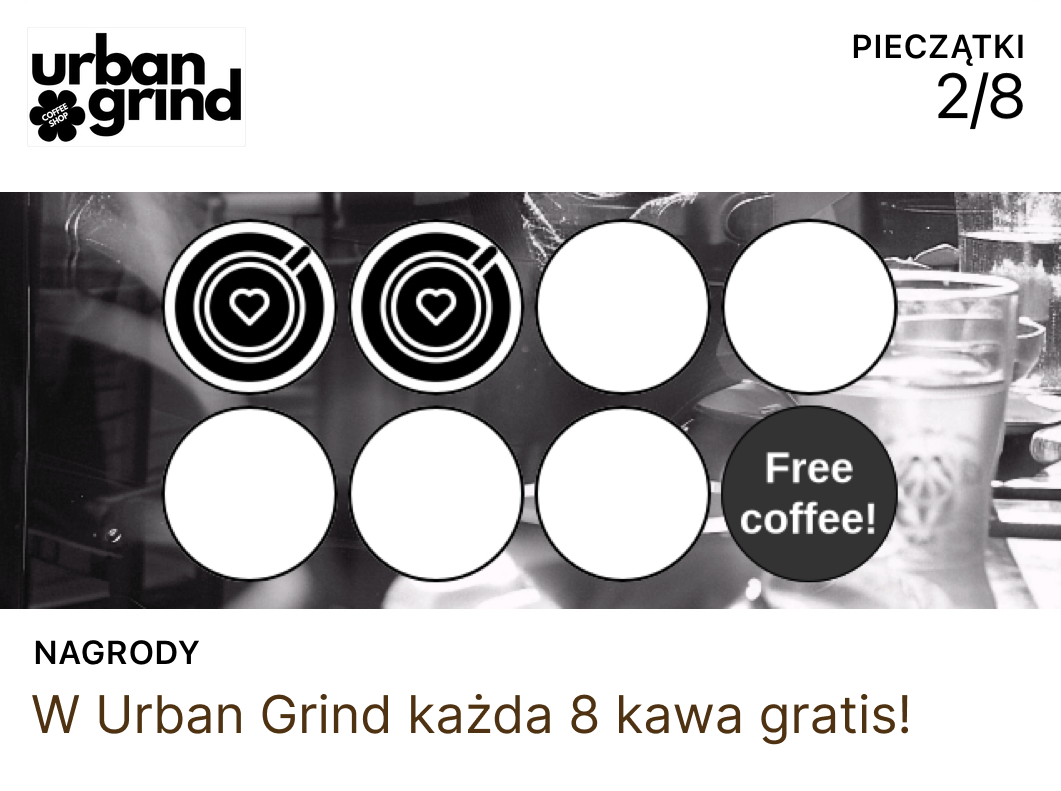
Create your free loyalty card — start free with 30 days of Pro, no credit card needed.
FAQ
How do I market my coffee shop with no budget?
Start with three free channels: set up your Google Business Profile properly (so you show up in “coffee near me” searches), post consistently on Instagram (coffee is the most visual product there is), and set up a review collection system with QR codes on receipts. These three alone can drive significant foot traffic without spending a dollar. Add a sidewalk chalkboard sign for $20-40 and you’ve covered the highest-impact marketing for an independent coffee shop.
What is the best social media for coffee shops?
Instagram is the best platform for coffee shops. Coffee is inherently visual — latte art, cozy interiors, and seasonal drinks perform exceptionally well. Use location tags on every post, post 3-4 times per week, and use Stories for daily specials. TikTok is a strong second choice for behind-the-scenes content, but Instagram converts local followers to actual visitors more reliably.
How do I get more customers in my coffee shop?
Focus on two things: visibility and retention. For visibility, complete your Google Business Profile and post on Instagram so new people find you. For retention, start a loyalty program — a regular spending $4 per day is worth $1,460 per year, so keeping existing customers matters more than finding new ones. Local partnerships with bakeries or bookstores bring in new foot traffic for free.
Do coffee shop loyalty programs work?
Yes. Loyalty programs drive more frequent visits and higher spend per visit. For coffee shops specifically, the ROI is highest because of daily visit frequency. A customer who visits daily is worth $1,000-1,800 per year. FaveCard’s digital loyalty card has a Free plan ($0, no time limit) — it pays for itself from day one. See our guide on whether loyalty programs are worth it for the full breakdown.
How often should a coffee shop post on social media?
3-4 times per week on Instagram is the sweet spot. Daily Stories showing specials, new drinks, or behind-the-scenes moments keep you visible without requiring professional content. Quality matters more than quantity — one great latte art photo beats five mediocre posts.
What marketing mistakes do coffee shops make?
The three biggest: ignoring Google Business Profile (most customers find coffee shops through local search, not Instagram), trying to do everything at once instead of mastering one channel, and not having a retention strategy. Getting a new customer costs 5-7x more than keeping an existing one, yet most shops spend all their energy on acquisition and nothing on loyalty.
Frequently Asked Questions
How do I market my coffee shop with no budget?
Start with three free channels: set up your Google Business Profile properly (so you show up in 'coffee near me' searches), post consistently on Instagram (coffee is the most visual product there is), and create a simple review collection system with QR codes on receipts. These three alone can drive significant foot traffic without spending a dollar.
What is the best social media for coffee shops?
Instagram is the best social media platform for coffee shops. Coffee is inherently visual — latte art, cozy interiors, and seasonal drinks perform exceptionally well. Use location tags on every post, post 3-4 times per week, and use Stories for daily specials. TikTok is a strong second choice for behind-the-scenes content like pour-over processes and morning prep routines.
How do I get more customers in my coffee shop?
Focus on two things: visibility and retention. For visibility, complete your Google Business Profile and post on Instagram so new people find you. For retention, start a loyalty program — a regular spending $4 per day is worth $1,460 per year, so keeping existing customers matters more than finding new ones. Local partnerships with bakeries or bookstores also bring in new foot traffic for free.
Do coffee shop loyalty programs work?
Yes. Loyalty program members visit more often and spend more per visit than non-members. For coffee shops specifically, the ROI is highest because of the daily visit frequency. A customer who visits daily and spends $4-5 per visit is worth $1,000-1,800 per year. FaveCard has a Free plan ($0, no time limit) — it pays for itself from day one.
How often should a coffee shop post on social media?
3-4 times per week on Instagram is the sweet spot for coffee shops. Daily Stories showing specials, new drinks, or behind-the-scenes moments keep you visible without requiring professional content. Quality matters more than quantity — one great latte art photo beats five mediocre posts. Consistency is what builds an audience.
What marketing mistakes do coffee shops make?
The three biggest mistakes: ignoring Google Business Profile (most customers find coffee shops through local search, not Instagram), trying to do everything at once instead of mastering one channel, and not having a retention strategy. Getting a new customer costs 5-7x more than keeping an existing one, yet most shops spend all their energy on acquisition and nothing on loyalty.


